
Key Takeaways
- Fenugreek contains compounds like diosgenin and 4-hydroxyisoleucine, which help lower blood sugar levels.
- Studies show fenugreek can reduce fasting blood glucose and HbA1c levels significantly.
- Consuming fenugreek seeds or supplements can improve overall glycemic control.
- Fenugreek can be consumed in various forms: seeds, capsules, and teas.
- Consult with a healthcare provider before adding fenugreek to your regimen, especially if you are on medication.
Why Fenugreek is a Powerful Ally for Blood Sugar Control
Fenugreek, a humble herb often found in kitchens, is making waves in the world of natural remedies. Its potential to help manage blood sugar levels is gaining attention, especially among those seeking alternatives to traditional diabetes treatments. But why is fenugreek such a powerhouse when it comes to controlling blood sugar?

The Science Behind Fenugreek’s Effects on Blood Sugar
Fenugreek’s effectiveness lies in its unique composition of bioactive compounds. These compounds work synergistically to influence blood sugar levels. One of the key players is 4-hydroxyisoleucine, an amino acid that enhances insulin secretion. This helps your body manage blood sugar more effectively, especially after meals.
Moreover, fenugreek is rich in soluble fiber. This type of fiber slows down the absorption of carbohydrates, leading to a more gradual increase in blood sugar levels. This is particularly beneficial for individuals with diabetes, as it helps maintain stable blood sugar levels throughout the day.
Main Active Compounds in Fenugreek
Besides 4-hydroxyisoleucine, fenugreek seeds are packed with other beneficial compounds. Diosgenin, a steroidal saponin, plays a crucial role in maintaining insulin signaling and glucose homeostasis. These compounds make fenugreek a valuable addition to a diabetic’s diet.
Here’s a quick look at some of the main active compounds found in fenugreek:
- 4-hydroxyisoleucine: Stimulates insulin secretion.
- Diosgenin: Supports glucose homeostasis.
- Soluble fiber: Slows carbohydrate absorption.
Study Findings on Blood Sugar Regulation
Scientific studies have consistently shown that fenugreek has a positive impact on blood sugar regulation. In one study, participants who consumed fenugreek seeds experienced a significant reduction in fasting blood glucose levels. This is a promising finding for those managing diabetes.
“A randomized, placebo-controlled, double-blind experiment among T2DM patients revealed that fenugreek seeds at 500 mg bid significantly lowered fasting blood sugar and post-prandial plasma sugar levels.”
The research doesn’t stop there. Another study highlighted that regular consumption of fenugreek improved overall glycemic control parameters, including a reduction in HbA1c levels. This suggests that fenugreek not only helps in immediate blood sugar management but also contributes to long-term health benefits.
Comparative Analysis with Other Remedies
When compared to other natural remedies, fenugreek stands out for its versatility and effectiveness. While some herbs may only target specific aspects of blood sugar control, fenugreek offers a comprehensive approach. Its combination of fiber, amino acids, and saponins provides a multi-faceted strategy for fighting diabetes.
Other remedies, like cinnamon or berberine, are also popular for blood sugar control. However, fenugreek’s ability to enhance insulin secretion and slow carbohydrate absorption gives it a unique edge. This makes it a valuable tool in the diabetic’s arsenal.
Improvement in Fasting Blood Glucose (FBG)
One of the most compelling benefits of fenugreek is its ability to lower fasting blood glucose (FBG) levels. FBG is the blood sugar level after an overnight fast, and it’s a crucial marker for diagnosing and managing diabetes. Studies have shown that incorporating fenugreek into the diet can significantly reduce FBG levels. This is primarily due to the herb’s high soluble fiber content, which helps slow down the absorption of sugar in the bloodstream.
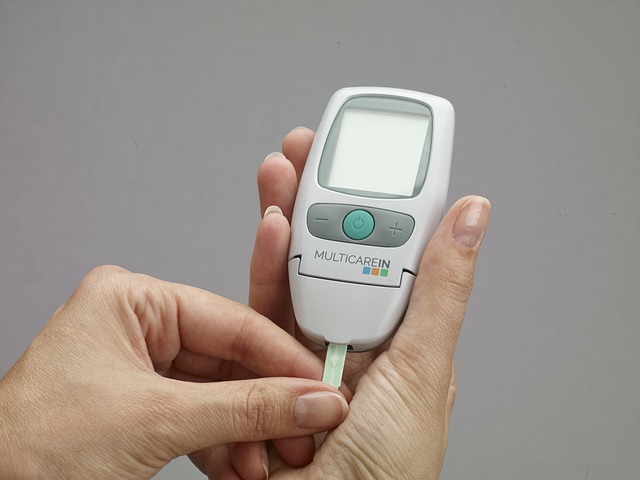
Effects on 2-hour Plasma Glucose (2-hPG) Levels
Fenugreek also shows promise in reducing 2-hour plasma glucose (2-hPG) levels. This measurement is taken two hours after consuming a meal and provides insight into how well the body is managing sugar intake. Fenugreek’s impact on 2-hPG levels can be attributed to its ability to stimulate insulin secretion and improve the body’s insulin sensitivity. By doing so, it helps the body utilize sugar more effectively, preventing spikes in blood sugar levels after meals.
For instance, a study demonstrated that individuals who consumed fenugreek experienced a noticeable decrease in their 2-hPG levels. This improvement indicates better glucose metabolism and is particularly beneficial for those with impaired glucose tolerance or prediabetes.
Reduction in HbA1c Levels
HbA1c is a critical indicator of long-term blood sugar control. It reflects the average blood sugar levels over the past two to three months. Lowering HbA1c levels is a primary goal for individuals with diabetes, as it reduces the risk of complications. Fenugreek has been shown to effectively reduce HbA1c levels, making it a valuable addition to a diabetes protocol.
The reduction in HbA1c levels is a testament to fenugreek’s ability to improve overall glycemic control. By consistently consuming fenugreek, individuals can maintain healthier blood sugar levels, thereby decreasing their reliance on medications and lowering the risk of diabetes-related complications.
Incorporating Fenugreek in Your Daily Routine
Now that we’ve explored the benefits of fenugreek for blood sugar control, the next step is to incorporate it into your daily routine. Integrating fenugreek into your diet can be as simple as adding it to your meals or taking it as a supplement. The key is consistency. Regular consumption is necessary to reap the full benefits of fenugreek.
Recommended Dosage and Forms
The recommended dosage of fenugreek varies depending on the form you choose. For fenugreek seeds, a common dosage is 2 to 5 grams per day. If you’re opting for fenugreek supplements, such as capsules, the typical dosage ranges from 500 to 1,000 mg, taken twice daily.
It’s crucial to start with a lower dose and gradually increase it, allowing your body to adjust. Always consult with a naturally trained healthcare provider before beginning any new supplement regimen, especially if you’re taking other medications or have underlying health conditions.
How to Consume: Seeds, Capsules, and Teas
Fenugreek seeds are the most traditional way to consume this herb. You can soak them overnight and consume them in the morning, or incorporate them into your cooking. Fenugreek capsules offer a convenient alternative for those who prefer a no-fuss approach. Simply follow the dosage instructions on the packaging.
Fenugreek tea is another option, providing a soothing and flavorful way to enjoy the benefits of this herb. To make fenugreek tea, steep 1 to 2 teaspoons of crushed seeds in hot water for about 10 minutes. You can enhance the flavor with a touch of honey or lemon if desired. For more detailed insights, check out the effect of fenugreek in type 2 diabetes.
Choosing Between Raw and Powder Forms
When it comes to choosing between raw and powder forms of fenugreek, consider your personal preferences and how you plan to incorporate it into your diet. Raw seeds provide the most natural form and can be used in various culinary applications. However, they may have a slightly bitter taste that some people find off-putting.
Fenugreek powder offers a more versatile option. It can be easily mixed into smoothies, yogurt, or even sprinkled over dishes. This form retains all the beneficial properties of fenugreek while providing a more palatable taste for those sensitive to the bitterness of raw seeds.
Safety and Precautions When Using Fenugreek
While fenugreek offers numerous benefits for blood sugar control, it’s essential to be aware of potential safety concerns and precautions. As with any natural remedy, understanding the risks and interactions is crucial for safe consumption. Fenugreek is generally considered safe for most people, but there are some considerations to keep in mind.
Before adding fenugreek to your routine, consult with a naturally trained healthcare professional, especially if you have existing health conditions or are on medication. They can provide personalized advice and ensure that fenugreek is a suitable option for you.
Starting with a lower dose and gradually increasing it can help minimize potential side effects and allow your body to adjust.
- Consult with a healthcare provider before starting fenugreek.
- Begin with a lower dose and gradually increase it.
- Monitor your body’s response and adjust as needed.
- Be aware of potential interactions with medications.
Potential Side Effects
Like any supplement, fenugreek may cause side effects in some individuals. Common side effects include digestive issues such as diarrhea, bloating, or gas. These symptoms are typically mild and can be minimized by adjusting the dosage or form of fenugreek consumed. For more detailed information, you can refer to fenugreek seed co-supplementation studies.
In rare cases, fenugreek can cause allergic reactions. If you experience symptoms such as rash, itching, or difficulty breathing, discontinue use immediately and seek medical attention.
Interaction with Medications
Fenugreek may interact with certain medications, particularly those used to manage diabetes and blood clotting. Because fenugreek can lower blood sugar levels, it may enhance the effects of diabetic medications, potentially leading to hypoglycemia (low blood sugar).
If you are taking anticoagulant or antiplatelet medications, be cautious when using fenugreek, as it may increase the risk of bleeding. Always inform your healthcare provider about any supplements you are taking to avoid potential interactions.
Furthermore, fenugreek may affect the absorption of certain medications due to its high fiber content. To prevent this, consider taking fenugreek at a different time than your medication.
Who Should Avoid Fenugreek
While fenugreek is safe for most people, certain individuals should avoid it. Pregnant women should consult with their healthcae provider as fenugreek may stimulate uterine contractions. It’s best to consult with a healthcare provider before using fenugreek during pregnancy.
Individuals with allergies to peanuts or chickpeas may also be allergic to fenugreek, as they belong to the same plant family. If you have a known allergy to legumes, it’s advisable to avoid fenugreek.
Maximizing Fenugreek’s Potential for Optimal Health
To make the most of fenugreek’s benefits, combine it with other natural remedies and lifestyle changes. A holistic approach to health can enhance the effects of fenugreek and support overall well-being.
Combining with Other Natural Remedies
Pairing fenugreek with other natural remedies can provide a synergistic effect, further improving blood sugar control. Cinnamon, for example, is known for its ability to enhance insulin sensitivity. Combining cinnamon with fenugreek can offer a powerful duo to help with blood sugar levels.
Another option is to incorporate berberine, a compound found in plants like goldenseal and barberry. Berberine has been shown to lower blood sugar levels and improve insulin sensitivity, making it an excellent complement to fenugreek.
In addition to supplements, focus on maintaining a balanced diet (preferably plant-based) and regular exercise routine. These lifestyle changes can amplify the benefits of fenugreek and contribute to better overall health.
These statements have not been evaluated by the Food and Drug Administration. This article is for
educational purposes only and is not intended to diagnose, treat, cure, or prevent any disease.