Summary
- Daily exercise can increase your energy, lift your spirits, and improve your overall health.
- Exercising in the morning can set a positive tone for the rest of the day, boosting productivity and alertness.
- There are many types of exercise to choose from, including strength training, cardio, and flexibility exercises, each of which can help you reach different fitness goals.
- Regular physical activity can help you regulate your sleep, manage your weight, and reduce anxiety.
- Customizing your exercise routine can make it more enjoyable and easier to stick with.

Start Your Day with Exercise
Starting your day with exercise can have a profound effect on how you feel and function for the rest of the day. Whether you’re a morning person or not, the benefits are clear. A morning workout can wake up your mind, set a positive tone for the day, and give you a sense of accomplishment before you even start your daily tasks.
Early Exercise for an Energy Boost
Picture this: You roll out of bed, put on your running shoes, and go for a quick jog or walk. Doing so can get your metabolism going and give you a burst of energy that lasts all day. Whether you’re doing a short exercise routine or an intense cardio workout, exercising in the morning can get your heart pumping and put you in a good mood.
Setting Up a Morning Routine
It may seem daunting to start a morning exercise routine, but it quickly becomes a habit with a bit of planning. Here’s how to set up a routine that suits you:
- Train your body clock by waking up at the same time every day.
- Prepare your workout clothes the night before to reduce morning decision-making.
- Begin with short, manageable workouts and slowly increase the length and intensity.
- Include activities you enjoy to maintain high motivation levels.
Advantages of Starting the Day with Activity
There are numerous benefits to morning exercise, in addition to boosting energy. It can improve mental clarity, mood, and even help regulate sleep patterns. When you start your day with physical activity, you’re more likely to make healthier choices throughout the day, including better nutrition and hydration.
Variety in Daily Exercise Routines
Building a comprehensive exercise routine means including a variety of workouts. This not only keeps your routine exciting but also guarantees that you’re exercising all muscle groups and enhancing different parts of your fitness.
Why Strength Training is Important
Strength training is an important part of any fitness routine. It helps you build muscle, increase bone density, and increase your metabolism. You don’t need to go to the gym to get started. Bodyweight exercises like push-ups, squats, and lunges are effective and easy to do.
Cardio Workouts
Cardio workouts are key for keeping your heart healthy and shedding calories. You can tailor exercises like running, cycling, or swimming to your fitness level. Even a fast-paced walk can be a good cardio workout if you do it daily.
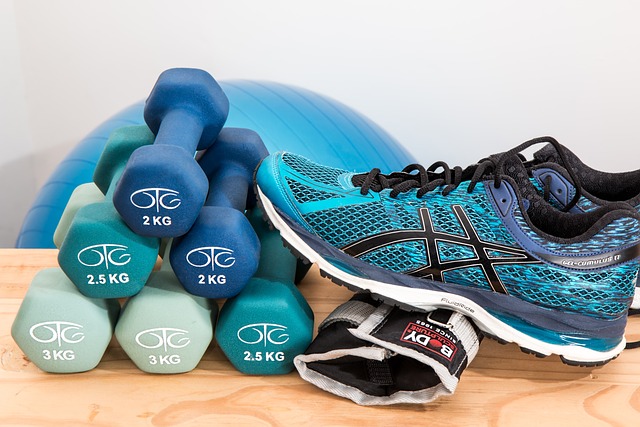
Stretching and Stability Exercises
Stretching and stability may not be the first thing you think of when it comes to fitness, but they’re essential for your overall health.This can help increase your flexibility, stability, and mental focus. Plus, these exercises are excellent for reducing stress and promoting relaxation.
Psychological and Physiological Advantages
Consistent physical activity offers a plethora of psychological and physiological advantages. It not only makes your body more robust, but it also enhances your mental strength. Exercise triggers the release of endorphins, commonly known as ‘happiness hormones,’ which can boost your mood and vitality.
Moreover, working out can substantially lower the chances of getting chronic illnesses like heart disease, diabetes, and obesity. By sticking to a regular workout routine, you are helping your body to work at its best and fight off health problems more efficiently.
Furthermore, exercise is an effective method for stress management. It offers a beneficial way to let out tension and can boost your overall ability to handle life’s hurdles. As you increase your physical strength, you’re simultaneously strengthening your mental toughness.
Getting a Better Night’s Sleep
Exercise is often overlooked as a solution to sleep problems. Regular workouts can help you fall asleep more quickly and sleep more deeply. In fact, the increase in body temperature from exercise tends to help your body’s temperature drop more steeply later in the day, promoting sleep.
Timing your workouts properly is crucial. Morning or afternoon exercise is best for promoting sleep, while evening workouts should be more relaxed, such as stretching, to avoid overstimulation near bedtime.
Enhancing Mental Strength
Exercise is a fantastic way to enhance mental strength. It helps you tackle daily obstacles with an optimistic outlook. When you participate in regular physical activity, you’re teaching your brain to better manage stress and adversity.
Let’s take the example of John, a hardworking executive who was feeling overpowered by stress. John decided to include a 30-minute run in his daily routine and he found that his mood and stress levels had improved noticeably. This small change to his routine gave him a new lease of life and he was able to approach work problems with renewed energy and a clear mind.
Exercise instills discipline and persistence in you, two qualities that are crucial for mental toughness. As you overcome physical obstacles, you learn to apply the same resolve to other aspects of your life.
Exercise, above all, gives a feeling of achievement. Finishing a workout, no matter how tough, can improve your self-esteem and confidence, strengthening your belief that you can tackle challenges.
Managing Your Weight
Exercise is key to managing your weight. It helps you burn calories and build muscle, which are both key to maintaining a healthy weight. By making exercise a regular part of your routine, you can effectively manage your weight and avoid health problems related to obesity.
Keep in mind, maintaining a healthy weight isn’t only about burning off calories. Physical activity also aids in controlling your metabolic rate and enhancing your body’s insulin usage, both of which are crucial for weight control and diabetes prevention.
Boosting Your Spirits and Lowering Stress Levels
Working out on a daily basis is a natural and efficient method to boost your spirits and lower your stress levels. Physical activity boosts the production of endorphins, which can result in feelings of joy and tranquility. It also lowers the levels of the body’s stress hormones, such as adrenaline and cortisol.
Workout Routines for Various Ways of Life
It’s important to customize workout routines to suit various ways of life to keep up a steady schedule. Regardless if you’re a bustling expert, a stay-at-home parent, or a retiree, there’s an exercise routine that can fit flawlessly into your everyday schedule.
Simple Workouts for Packed Calendars
If you’re always on the go, quick and effective exercises are crucial. High-Intensity Interval Training (HIIT) or circuit training can provide maximum benefits in minimal time. These workouts can be completed in as little as 15-20 minutes and are highly effective for boosting fitness levels.
Fueling Your Workouts with Proper Nutrition
The food you eat is just as important as the exercise you do. Your pre- and post-workout meals can make or break your workout, and can either aid or hinder your recovery process. That’s why it’s crucial to know what to eat before and after you exercise to get the most out of your workouts.
Feeding your body with the right nutrients not only boosts your energy levels, but also helps in muscle recovery and growth. A balanced diet that consists of carbohydrates, proteins, and healthy fats is key to maintaining optimal health and fitness.
What to Eat Before You Exercise
Feeding your body the right nutrients before a workout ensures you have the energy and strength you need to perform well. Here are some ideas for pre-workout meals:
- Have a carbohydrate-heavy, protein-moderate meal about 2-3 hours before you work out.
- Drink water to stay hydrated and keep your fluids balanced.
Carbohydrates are the main source of energy for your body, and eating them before a workout makes sure you have the energy you need to get through your exercise routine. Protein helps keep your muscles from getting damaged and helps with recovery.
What to Eat After a Workout
Your body needs fuel to recover and build muscle after a workout. Here are some tips on what to eat after a workout:
- Have a meal that includes both carbohydrates and protein between 30 minutes and 2 hours after your workout.
- Rehydrate by drinking a lot of water or a drink that is rich in electrolytes.
Protein is important for repairing and building muscles, and carbohydrates restore the glycogen stores that are used up during exercise. Hydration is just as important to replace the fluids that are lost through sweating.
The Importance of Staying Hydrated
It’s crucial to keep your body hydrated during any workout. Water helps control your body temperature, keeps your joints lubricated, and assists in transporting nutrients. If you’re dehydrated, you might feel tired, dizzy, and your performance may suffer.
Remember to hydrate by drinking water all day, not just during your workout. Listen to your body and drink when you feel thirsty. For workouts that are more intense or last longer than an hour, you might want to drink something with electrolytes to replace the minerals you lose during these types of workouts.
Conclusion: The Importance of Daily Exercise for Your Health
Making exercise a daily habit is one of the best decisions you can make for your overall health. The benefits of regular physical activity are far-reaching, improving everything from your mood and energy levels to your sleep quality and disease resistance.
Questions You Might Have
These are some of the questions people often ask about exercise and its benefits, along with straightforward answers to help you understand.
How Much Should I Exercise Every Day?
Many health professionals suggest a minimum of 150 minutes of moderate aerobic exercise or 75 minutes of intense activity every week. This could be divided into 30 minutes a day, five days a week. Also, add strength training exercises for a minimum of two days a week for complete fitness.
Is it True that Exercise Can Enhance My Sleep?
Indeed, consistent exercise can greatly enhance the quality of your sleep. It aids in the regulation of your sleep cycles, making it simpler to fall asleep and stay asleep. However, you should avoid intense exercise near bedtime, as it may disrupt your ability to fall asleep.
Adding exercise to your daily routine is a path that brings many benefits. Stay dedicated, pay attention to your body, and appreciate the positive changes that come with a physically active lifestyle.
Regular exercise is the key to a healthy life.
Physical activity is not only beneficial to our bodies, but it also has a positive effect on our minds. It can help us maintain a healthy weight, improve our mood, and reduce our risk of chronic diseases.
What is the best exercise routine for you?
The best exercise routine for you depends on your fitness level, goals, and preferences. For example, if you want to lose weight, you may want to focus on cardiovascular exercises such as walking, running or cycling. If you want to build muscle, you may want to focus on strength training exercises such as weightlifting.
What are the health benefits of regular exercise?
Regular exercise has many health benefits. It can help you:
- Maintain a healthy weight
- Improve your mood
- Reduce your risk of chronic diseases
- Improve your sleep
- Boost your energy levels
- Improve your brain health and memory
What are some examples of effective daily exercise routines?
Here are some examples of effective daily exercise routines:
- Cardiovascular exercises: Running, cycling, swimming, dancing, and jumping rope are all great cardiovascular exercises that can help you burn calories and improve your heart health.
- Strength training exercises: Weightlifting, resistance band exercises, and bodyweight exercises such as push-ups and squats can help you build muscle and improve your strength.
- Flexibility exercises: Pilates, and stretching can help you improve your flexibility and balance.
Conclusion
Regular exercise is essential for maintaining a healthy lifestyle. It can help you maintain a healthy weight, improve your mood, and reduce your risk of chronic diseases. The best exercise routine for you depends on your fitness level, goals, and preferences. However, a combination of cardiovascular, strength training, and flexibility exercises can help you achieve your fitness goals and improve your overall health.


