Key Takeaways
Insulin sensitivity can be improved by curcumin; thus, blood sugar levels can be controlled.
Anti-inflammatory functions have the capability to lessen the problematic conditions related to diabetes.
A powerful antioxidant that fights oxidative stress, which is a key component of diabetes, is curcumin.
Typically, it’s recommended to take no more than 12 grams of curcumin in a day, but always check with your doctor to make sure you’re taking a safe amount.
Achieving an incorporation of curcumin in your diet can be through food or supplements.
Immediate Benefits of Curcumin for Managing Type 2 Diabetes
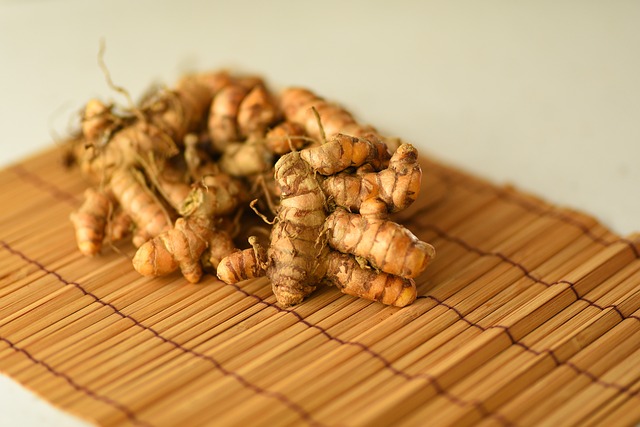
Type 2 diabetes is a manageable condition that can feel like a full-time job with no days off. You might not have thought about seeking assistance from a natural source, but evidence is mounting that curcumin, a compound found in turmeric, may help. This spice, which has been used therapeutically for centuries, could be a secret weapon when it comes to diabetes, and it could play an even bigger role in prevention. Let’s explore curcumin’s potential in this pantry-to-prevention pathway.
How Curcumin May Help Control Blood Sugar
Controlling blood sugar levels is something curcumin does quite well. It has an effect on the body’s ability to use the insulin it produces, and in people with type 2 diabetes, where insulin resistance is a major part of the problem, this is a good thing. It also improves the efficiency of the use of insulin in the body. Insulin is a key hormone in the regulation and control of blood sugar levels.
A significant decrease was noted in blood glucose levels among those who took curcumin as a supplement. This happened because curcumin has a way of “enhancing the biology of beta cells.” Beta cells live in the pancreas and have the job of producing insulin—a hormone that helps move glucose from the blood into muscle and fat cells. When those cells have enough glucose, they can “control your oxidative stress,” which is a fancy way of saying that they can keep things from going wrong at the cellular level.
Anti-Inflammatory Effects and Their Role in Diabetes
Inflammation takes a part in many chronic diseases and plays a role in the development of diabetes. Curcumin, a constituent of turmeric, is responsible for many of turmeric’s health benefits, including its anti-inflammatory effects. In a mouse model of type 2 diabetes, curcumin decreased the activation of inflammatory pathways, reduced the number of inflammatory proteins, and lowered blood glucose levels.
When you lessen inflammation, your body’s cells become better at responding to insulin, which makes it possible to keep blood sugar levels normal. Low inflammation might also help ensure that diabetes doesn’t come with the nasty side effects it usually does, especially in the heart and nerves. In that sense, diabetes is a special kind of curse. It affects insulin and ultimately with the very energy-yielding pathways that are most vital and most vulnerable. Curcumin may help clean up the inflammation mess, which seems to win by inducing error-prone cell division and making cells more likely to be insulin-resistant.
The Antioxidant Powerhouse: Curcumin’s Impact on Oxidative Stress
When there is an imbalance between free radicals and antioxidants in your body, oxidative stress occurs. It is a big factor in how and why diabetes develops and progresses. Because curcumin is a strong antioxidant, it helps counteract free radicals and reduce oxidative stress.
The cells in your body are protected from damage when oxidative stress is decreased, and that is exactly what curcumin does. Oxidative stress is known to be increased, and to worsen a number of diseases, including our focus here, diabetes, when high blood sugar levels are present. When we couple this knowledge with the idea that the number of people diagnosed with diabetes has reached epidemic levels, recent research on curcumin’s protective effects become vitally important.
Supplementation: Options and Considerations
If you want to boost your curcumin levels beyond what you can get from food, consider taking a supplement. Curcumin is available in different forms to suit your preferences, such as in capsules, tablets, or powders. No matter what form you choose, make sure to select a supplement that contains piperine or is otherwise bioavailable.
Safety and Maximum Dosage Recommendations
When it comes to safety, supplements must be given the utmost consideration. Curcumin’s safety is beyond question; even very high doses were shown in studies to be well-tolerated. But is this compound anything to be concerned about? And if so, then why? To answer these questions, it’s best to consult the available research.
Clinical trials have shown curcumin supplementation to be free of significant adverse effects, rendering it a safe addition to plans for those with diabetes. However taking the correct dose of curcumin not only guarantees the maximum benefits with no unwanted side effects but also ensures the perfect integration of this potent anti-diabetes compound into your overall health strategy. Thus it is still a good idea to consult with a health care provider who is famaliar with the use and application of holistic therapies.
Here are a few supplement options you can try.
It is crucial to keep in mind that curcumin has relatively low bioavailability. Our bodies do not absorb it easily. Thus, when taking curcumin in supplement form, it should always be done with cayenne pepper. Many supplement companies use black pepper in their formlations, which contains piperine, a compound that makes your body more prone to absorbing curcumin. Their position is that this simple combination of curcumin and piperine allows you to effectively maximize the health benefits associated with dietary curcumin. Cayenne pepper has also been used by holistic practishoners to help with the absorption of curcumin.
Combining Curcumin with Lifestyle Changes
Although curcumin provides plenty of benefits for controlling diabetes, it works best when combined with other healthy lifestyle changes. Regular exercise—such as walking, biking, or swimming—can make you much more insulin sensitive and can control your blood sugar much better than if you were to “not move a muscle.” Put curcumin and exercise together, and they will work in a synergistic way, amplifying the benefits of both.
Along with physical activity, it is crucial to maintain a diet loaded with whole foods, plant proteins, and healthy fats. Metabolically speaking, nutrients work best when they’re part of a balanced diet. Curcumin is a potent anti-inflammatory agent and it’s also good for metabolic health. So all things considered, taking curcumin as a supplement could be a good move, not only for people with type 2 diabetes but also for those who might be at risk.
Scientific Evidence Supporting Curcumin’s Role in Diabetes
The current body of scientific research strongly supports the incorporation of curcumin into diabetes management regimens. Countless studies have established its efficacy in targeting several facets of the diabetes condition.
Among the aspects of diabetes that curcumin appears to influence are the following:
• Insulin sensitivity
• Glucose levels
• Lipid levels
Key Clinical Trials and Their Findings
The effects of curcumin on diabetes have been explored in a number of clinical trials. One was particularly impressive. It found that curcumin’s impact on insulin sensitivity and secretion was remarkable—so much so that one might wonder if curcumin supplementation could take the place of some diabetes medications. Another trial took the hemoglobin A1c bull by the horns and measured curcumin’s effectiveness at improving that important long-term index of blood sugar control.
These trials highlight curcumin’s possible role in treating diabetes. They allow us to glimpse a potential future where curcumin is used not just in traditional settings as a spice or in folk medicine but as part of a novel and modern treatment protocol for a condition that affects millions of people.
Monitoring and Evaluating the Effects of Curcumin
After you begin to include curcumin in your diabetes management plan, you must monitor its effects on your health. You should keep a close watch on anything that might change as a result of taking curcumin, since it’s likely you will have made some other changes to your plan at the same time. Tracking these changes will help you see what curcumin alone can do to improve your situation.
How to Track Changes in Blood Sugar Levels
Keep in mind that maintaining consistency is vital for effective health outcomes. A regular review of your health data allows you to observe the kind of patterns that will make you truly understand how your body works. These insights can help you make timely and proactive adjustments to both your lifestyle and your supplement regimen.
Recognizing Potential Side Effects
Curcumin is quite safe, but it’s vital to know about possible side effects. Some users may have gastrointestinal problems and may see two or three of the following conditions: stomach upset, diarrhea, and acid reflux (the three “D’s”). The higher the dose of curcumin, the more likely you will “hear” these conditions through the digestive tract. In rare instances, curcumin can interact with drugs, especially blood thinners. If you take any medication, it’s important to talk with your healthcare provider about whether curcumin supplements are safe for you. You want to avoid any potential interactions, and discussing them with a qualified professional is the best way to ensure that.
Challenges and Considerations
Although curcumin provides many advantages for controlling diabetes, several challenges and considerations necessitate attention. One of the main issues is curcumin’s bioavailability. As was noted previously, curcumin is not easily absorbed by the body, which makes it imperative to find ways to improve absorption.
Moreover, being cognizant of possible medication interactions and discussing them with your healthcare team before beginning any new supplement is a must. If we can tackle these challenges and take a careful approach, we stand to gain the maximum possible benefit from curcumin as a part of a diabetes regimen.
Potential Interactions with Diabetes Medications
Interactions have been noted between curcumin and some diabetes medications, especially those that control blood sugar levels. Curcumin may very well boost the effectiveness of these medications, which could lead to low blood sugar (hypoglycemia), in which the blood sugar levels drop too low. If you’re taking curcumin and also taking medications like metformin or insulin, it’s very important to keep a close watch on your blood sugar levels.
Always consult your healthcare provider before adding curcumin to your regimen. They can assist you in adjusting your medication dosage if needed and ensure that curcumin doesn’t interfere with your treatment plan.
Summary of Key Points
Insulin sensitivity, inflammation, and oxidative stress are all already taken care of by curcumin. That’s why it’s a go-to recommendation for many holistic doctors clients when they’re trying to control type 2 diabetes. There are a couple of reasons it’s not as commonly recommended, though. One, it seems to take a “long time” to work. Most studies that note its effectiveness have used it for about 4 months.
Long-Term Considerations
When using curcumin for diabetes management, consider the long-term and sustainable effects. Make it a routine to closely monitor not just your blood sugar levels but also your general health, and do so on a regular basis. This is essential to ensure that curcumin, your supplement of choice, is both effective and efficient in supporting your diabetes goals.
The ongoing evolution of curcumin research assures that scientists will keep discovering its beneficial properties—especially for those who live with diabetes. Our current lack of knowledge about curcumin’s pharmacokinetics keeps us from making specific recommendations.
Frequently Asked Questions
To assist in dealing with widespread apprehensions about curcumin and diabetes, we have compiled a list of frequently asked questions along with their answers.
Can my diabetes medication be replaced by curcumin?
Diabetes medications should not be replaced with curcumin. Still, curcumin can be used alongside traditional treatment and may make management of the disease easier or more effective. Always talk with your doctor before adding anything to your treatment plan.
While curcumin provides an array of benefits, it’s essential to keep in mind that it functions optimally when used alongside other treatments and a variety of beneficial lifestyle alterations. It forms one part of a comprehensive strategy that is much more potent, much more likely to yield results, than curcumin alone and is certainly a “natural medicinal” approach to a host of conditions.
Final Thoughts On Curcumin And Diabetes?
Although curcumin can be of potential benefit to many individuals with diabetes,some things can hinder it from being effective for some. Health conditions, rates of absorption, and interactions with medications can all influence how well curcumin may work. Talk with your healthcare provider about whether curcumin is a good fit for you. If it is, work together to determine dosages and methods of using curcumin that are most likely to yield benefits for you.
These statements have not been evaluated by the Food and Drug Administration. This article is for
educational purposes only and is not intended to diagnose, treat, cure, or prevent any disease.